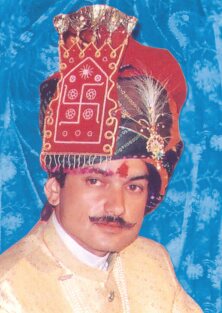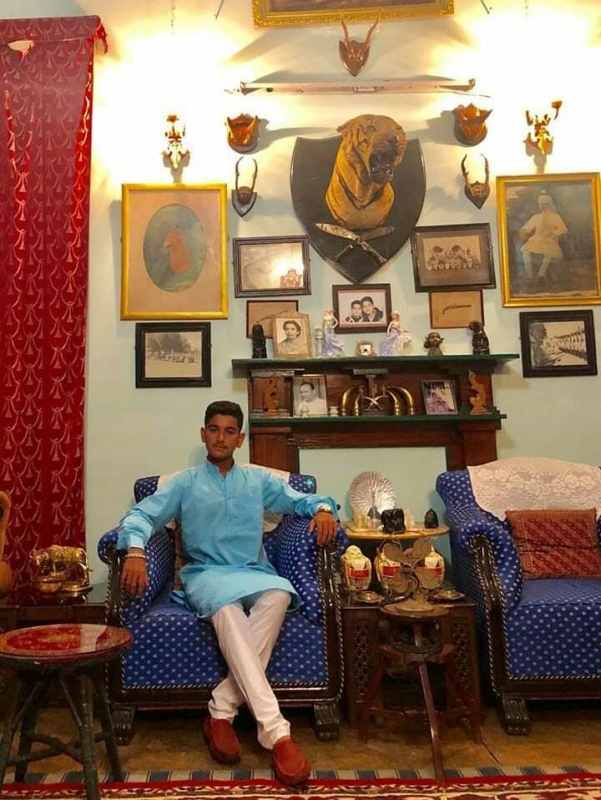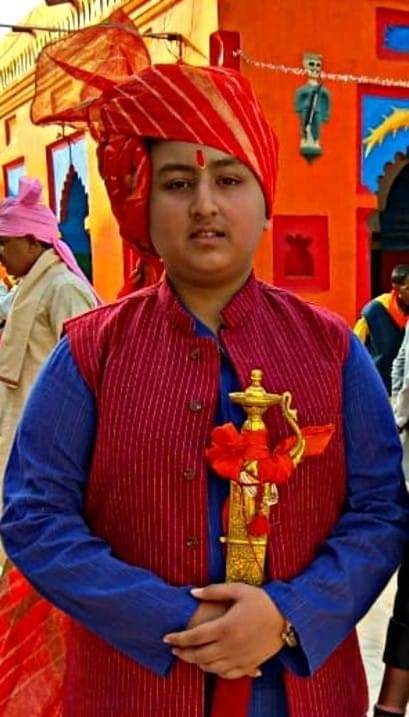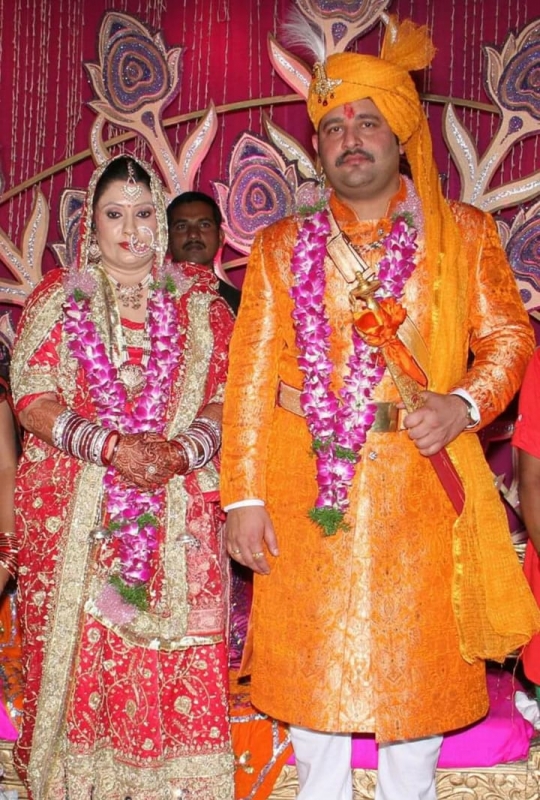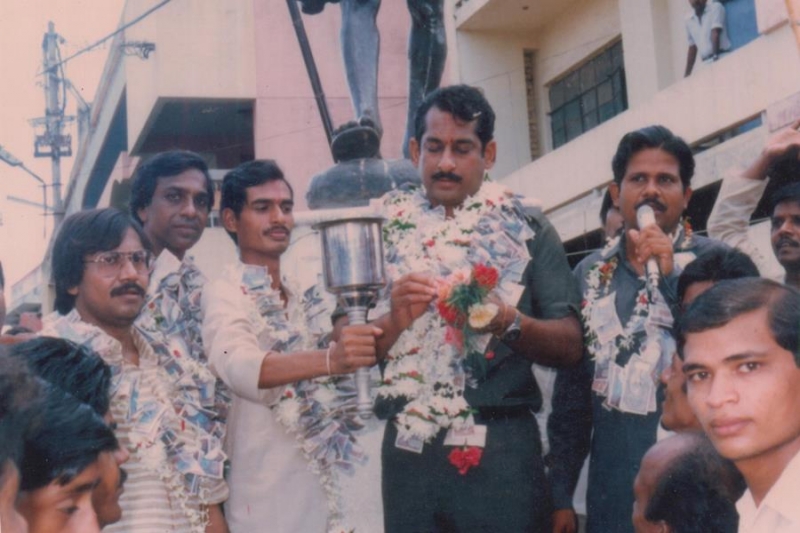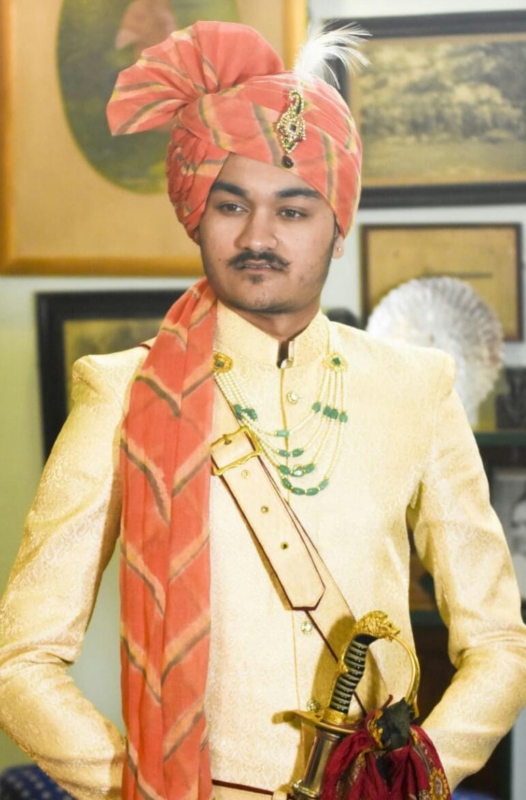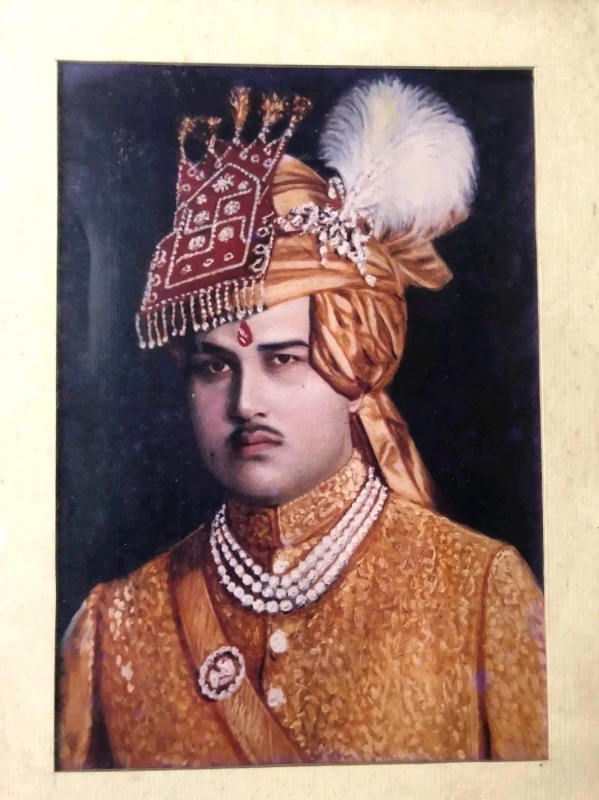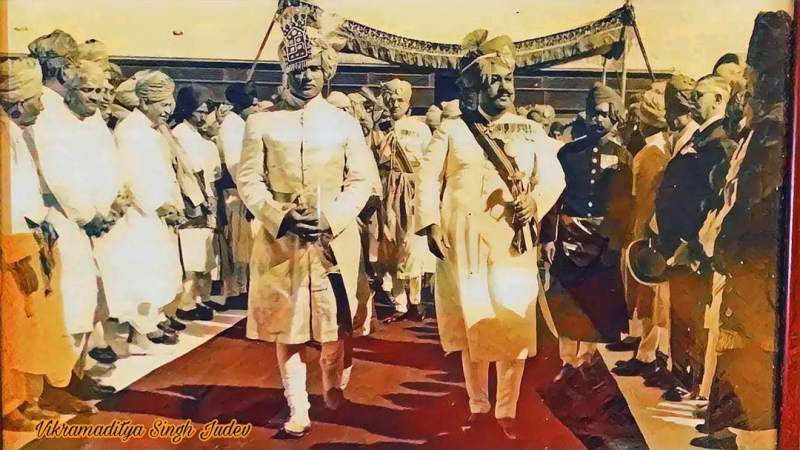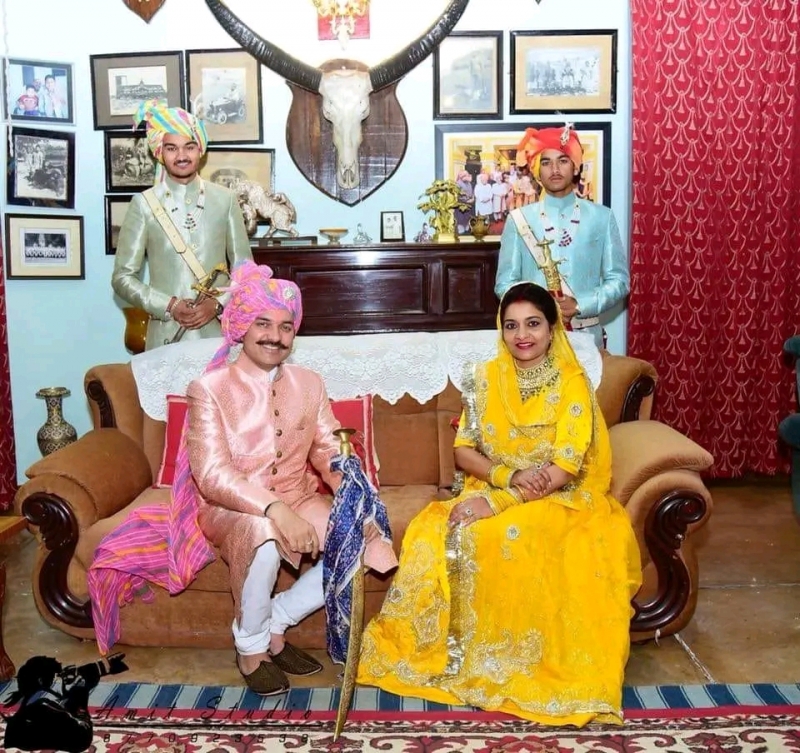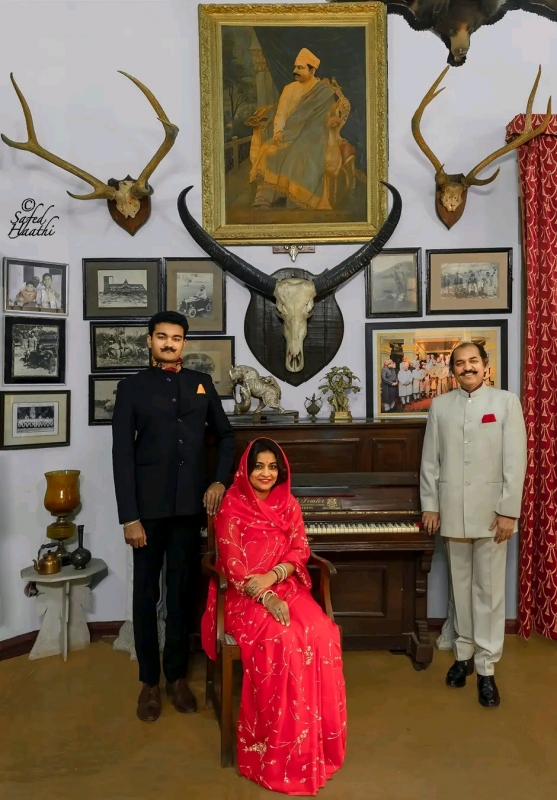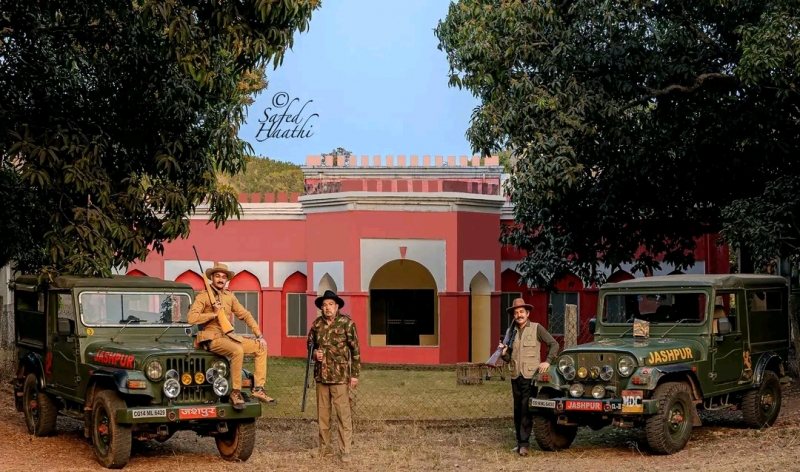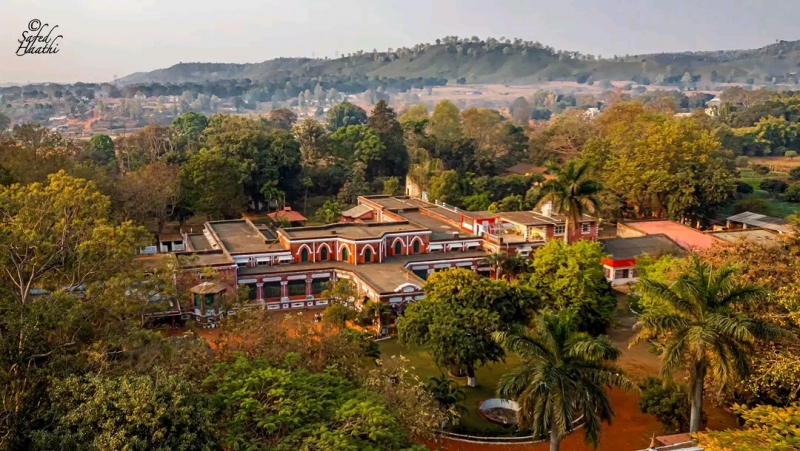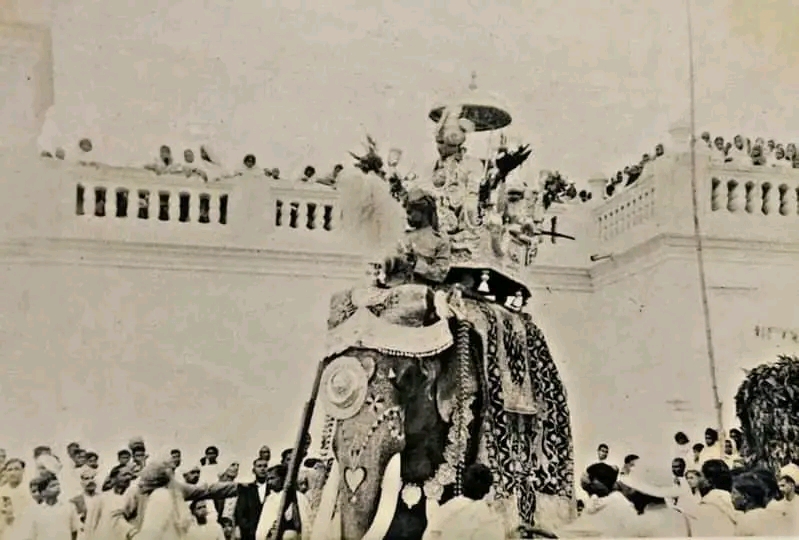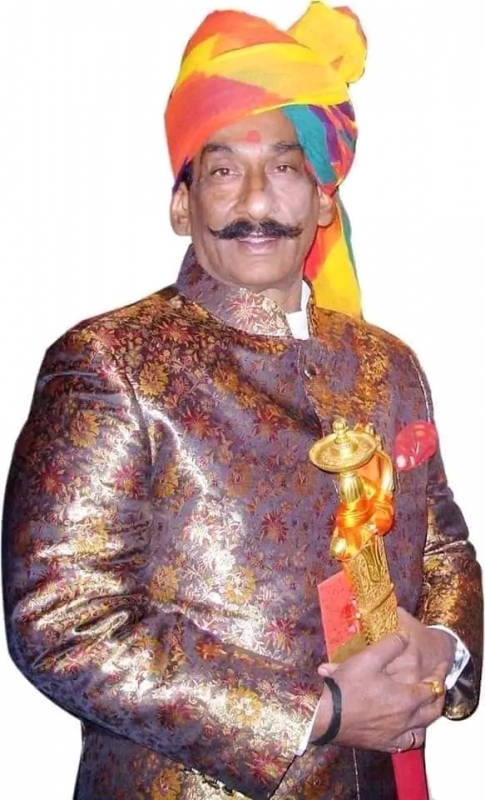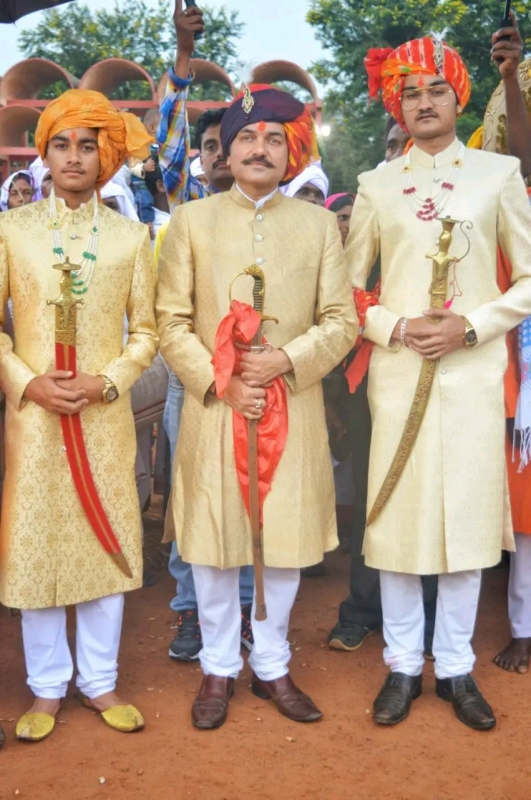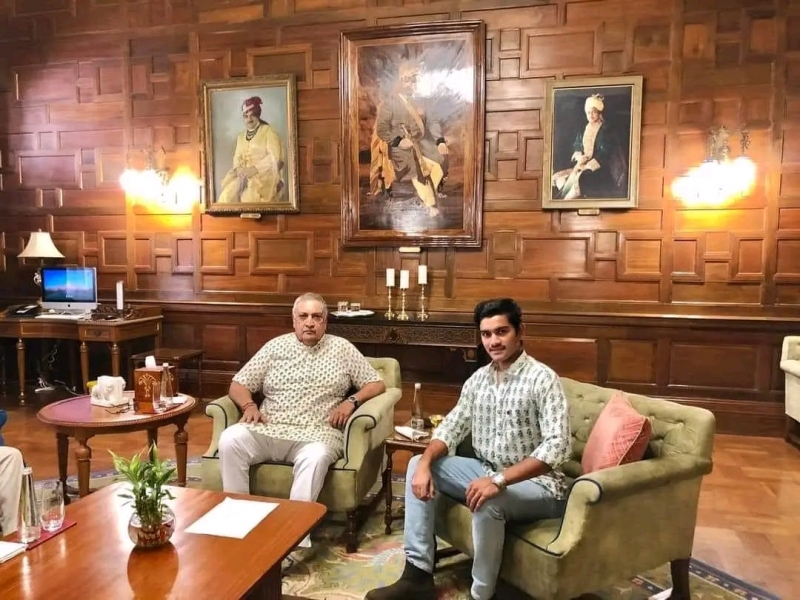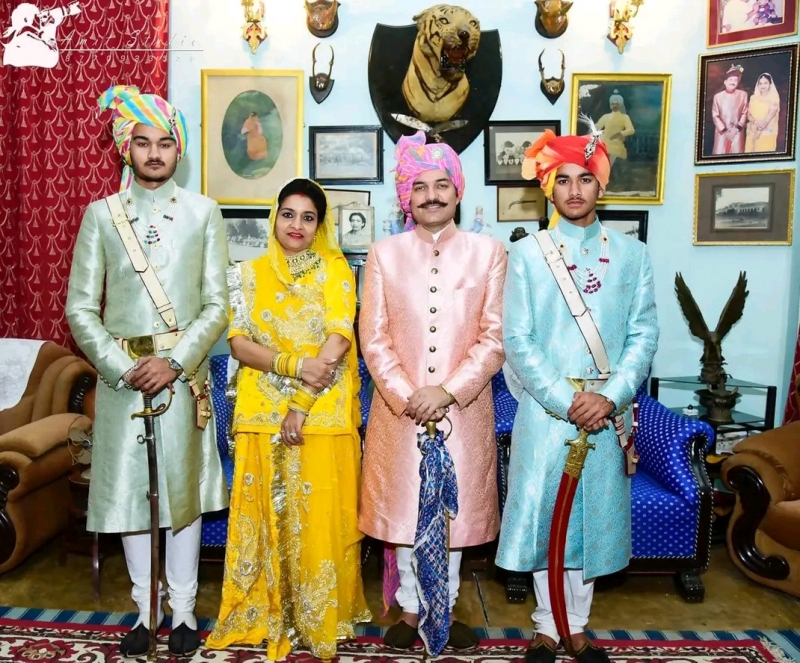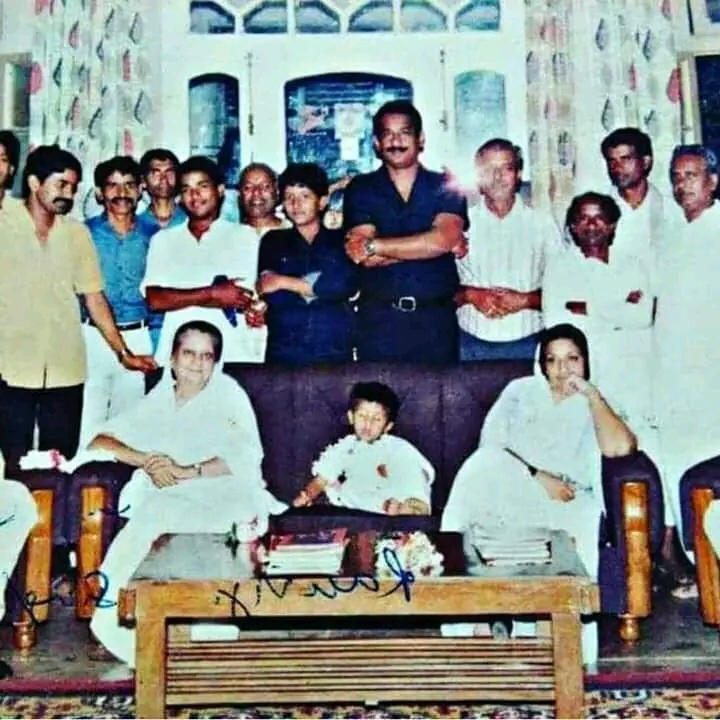
Present Head
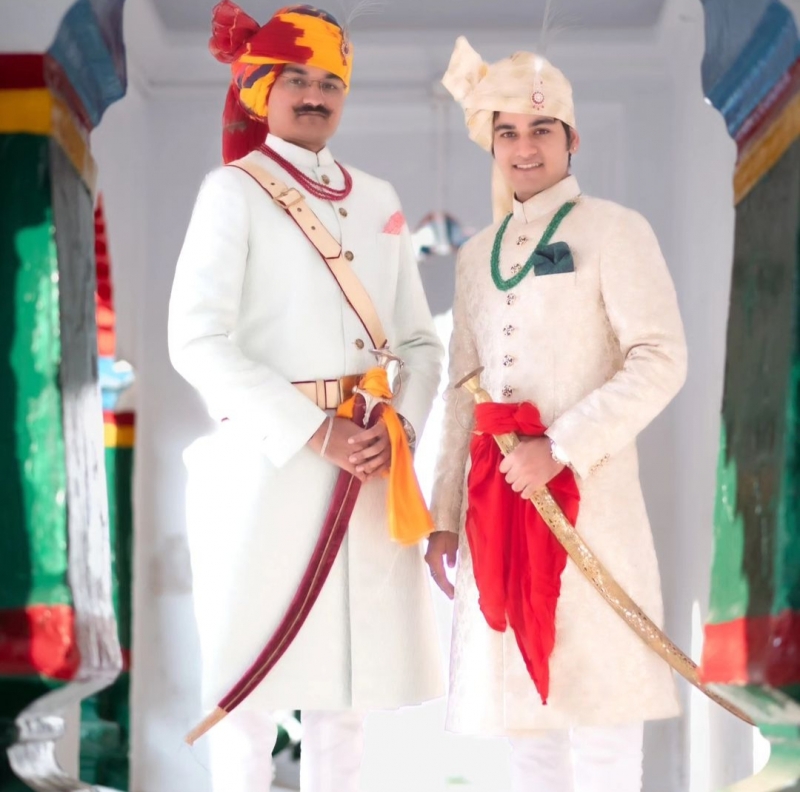
- Yuvraj Yashpratap Singh Judev, born on .
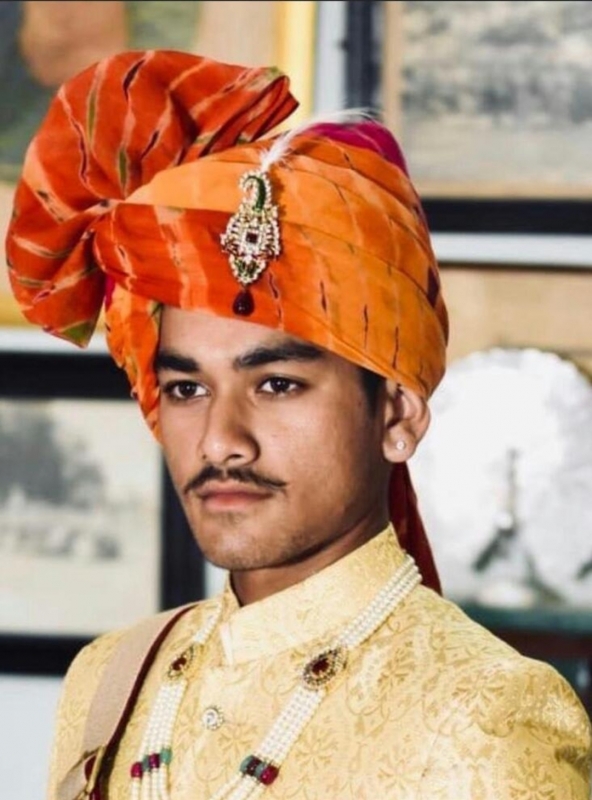
- Maharajkumar Aryapratap Singh Judev, born on , studied in Mayo College, Ajmer.
History
Origin and Foundation of Jashpur State
The princely state of Jashpur, situated in the eastern part of present-day Chhattisgarh, boasts a rich historical and cultural legacy. The ruling dynasty of Jashpur belongs to the Suryavanshi Rajput clan. According to local historical chronicles and regional traditions, the territory was originally ruled by a Dom ruler, known colloquially as the Dom Raja. Around the mid-18th century (circa 1720s), Sujan Rai, a Suryavanshi Rajput prince, defeated the Dom ruler in a strategic battle and established the Jashpur dynasty. The capital was eventually established at Jashpurnagar (formerly known as Jagdishpur). The rulers of Jashpur maintained their sovereignty through military vigilance and by navigating alliances with neighboring forest kingdoms of the Chota Nagpur plateau.
Maratha and British Periods
In the late 18th century, the Bhonsle Marathas of Nagpur extended their suzerainty over the region, demanding tribute from the local chiefs of Chota Nagpur. Jashpur was forced to pay tribute to the Maratha rulers until the geopolitical map of central India was redrawn by the Anglo-Maratha Wars. Following the defeat of the Marathas, the state of Jashpur was formally ceded to the British East India Company under the provisional agreement concluded with Mudhoji II Bhonsle (Appa Sahib) in 1818.
Although recognized in the second part of the 1818 agreement as a separate entity, Jashpur was initially treated as a feudatory or fief of the larger neighboring state of Surguja. This arrangement caused ongoing administrative disputes. Over time, the British administration recognized the distinct identity of Jashpur. The relations of the ruling chief with the British crown were formally regulated by the provisions of a Sanad granted in 1899, which was later reissued with modifications in 1905 when Jashpur was transferred from the Chota Nagpur division of Bengal to the Central Provinces. Under these agreements, the Raja exercised judicial and administrative powers subject to the supervision of the British Political Agent. Historical records from 1893 note that the Raja maintained a small military force, which included 2 guns, to maintain internal order and protect the state's borders.
Key Reformers and Prominent Rulers
Several rulers played instrumental roles in the modernization, development, and administrative consolidation of Jashpur State:
- Raja Pratap Narayan Singh Deo Bahadur (reigned 1869–1900): He is widely regarded as one of the most progressive and capable rulers of Jashpur. He initiated extensive land revenue reforms, introduced modern police administration, and established primary schools and health dispensaries. His administrative efficiency and loyalty earned him the personal title of 'Raja Bahadur' from the British Government in 1889.
- Raja Vijay Bhushan Singh Deo (reigned 1926–1947): The last ruling chief of Jashpur, who ascended the gaddi in 1926. During his reign, he focused on expanding education, building roads connecting Jashpur with neighboring provinces, and improving forest conservation. He was a signatory to the Instrument of Accession, merging Jashpur into the Indian Union.
State Heraldry and Flag
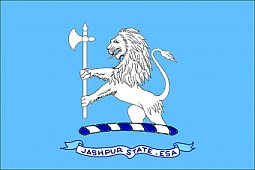
The Jashpur State possessed its own distinctive emblem and flag that reflected its Rajput lineage and regional sovereignty. The state flag was a traditional Panchranga (five-colored) banner, commonly used by Rajput dynasties, symbolizing victory, valor, and devotion. The coat of arms of Jashpur featured a central shield adorned with traditional weapons, supported by indigenous tigers, symbolizing the wild and forested terrain of the state. The crest featured a hand holding a sword, representing the military origins and defense of the realm, accompanied by a Sanskrit motto emphasizing righteousness and duty.
Post-Independence and Modern Era
Following the independence of India in 1947, Raja Vijay Bhushan Singh Deo signed the Instrument of Accession on January 1, 1948. Consequently, Jashpur was integrated into the Central Provinces and Berar, which later became the state of Madhya Pradesh. In the reorganization of Indian states in the late 20th century, the region became part of Raigarh district. Recognizing its unique geographical and tribal identity, Jashpur was carved out as an independent district on May 25, 1998.
Today, Jashpur is a key district in the state of Chhattisgarh. It is known for its scenic waterfalls, lush green forests, and rich tribal heritage. The descendants of the royal family remain respected public figures, active in regional socio-economic development and local politics.
Historical References and Citations
For further academic reading on the history and administration of Jashpur State, the following authentic historical records and books are recommended:
- Refer to the Imperial Gazetteer of India, Central Provinces (1908) for detailed administrative and geographical accounts.
- Consult the Chota Nagpur Tributary States Gazetteer (1910), which provides comprehensive information on the socio-political relations between Surguja, Jashpur, and the British administration.
- Examine the records of treaty agreements in A Collection of Treaties, Engagements, and Sanads Relating to India and Neighbouring Countries (Volume II) compiled by C.U. Aitchison.
Genealogy
- Raja RANJIT SINGH, Raja of Jashpur, died circa 1813.
- .....
- Raja RAM SINGH, Raja of Jashpur 1826/-
- ......
- Raja PRATAP NARAYAN SINGH Deo Bahadur C.I.E., Raja of Jashpur 1845/1900, born (1829, 1832), he succeeded to the gadi on 24th October 1845, he rendered good services in the military operations in 1857 against the mutineers and rebels in Udaipur and Palamau. He was created a Companion of the Most Eminent Order of the Indian Empire (C.I.E) in May, 1890.; married and had issue.
- Raja Bahadur BISHAN PRATAP SINGH Deo, Raja Bahadur of Jashpur 1900/1924, born , succeeded in April 1900. He was granted the personal title of Raja Bahadur on the occasion of the Coronation Durbar 1911.
- Raja DEO SARAN SINGH Ju Deo, Raja of Jashpur 1924/1926, married Rani Mohan Raj Lakshmi Devi, grand-daughter of Thakur Puran Chandra Khan of Garunkot in Nepal; and had issue.
- HH Raja Bijay Bhushan Singh Ju Deo (qv)
- HH Raja BIJAY BHUSHAN SINGH Ju Deo, Raja of Jashpur 1926/1982, born and succeeded 8th February 1926, Member of the Madhya Pradesh Legislative Assembly 1952/1962, the Lok Sabha 1962/1967 and the Rajya Sabha 1970/1976, married, HH Rani Jaya Kumari Devi, daughter of Maharaj Vijay Singh Ji of Bikaner, and had issue, two sons and four daughters. He died .
- Yuvraj Uppendra Singh Ju Deo, married Yuvrani Mohini Devi [now Rajmata Mohini Devi of Jashpur], daughter of Thatraj Raj Raj Deb of Puri, and his wife, Thatrani Purneshwari Devi, and had issue, two sons and one daughter.
- HH Raja Ranvijay Pratap Singh Ju Deo (qv)
- Rajkumar Vikramaditya Singh Ju Deo, married to Kuwarani Jaya Kumari, daughter of Raja Goverdhan Prasad Singh of Ranka, and has issue, one son and two daughters.
- Rajkumar Vijayaditya Singh Judev
- Rajkumari Vijayaraj Lakshmi Judev
- Rajkumari Aishwarya Raj Judev
- Yuvrani Mrinalini Devi, married Yuvraj Shivendra Bhanj Deo of Kanika, and has issue, one son.
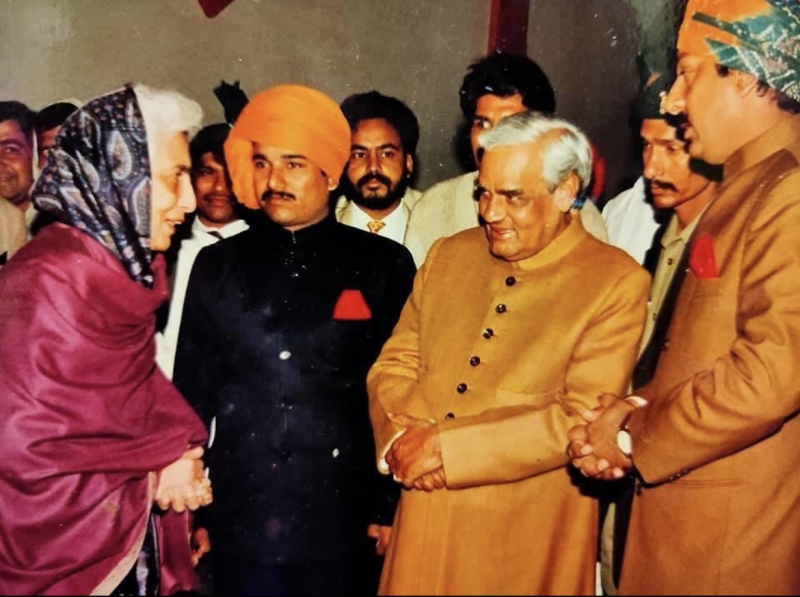
- Rajkumar Shri Dilip Singh Ju Deo, born in Jashpur, Madhya Pradesh; B.A., LL.B., educated at Kalyan Ashram, Mayo College, and Rajkumar College, Raipur and Ranchi University. President, Municipal Board, Jashpur, 1975/82; Vice-President, Bharatiya Janata Party, Madhya Pradesh; previously associated with Bharatiya Jana Sangh; Member of the R.S.S., Vishwa Hindu Parishad, 9th Lok Sabha, Committee on Commerce and Consultative Committee for the Ministry of Coal; elected to the Rajya Sabha in June, 1992 and re-elected in June, 1998 and again in 2004, served as Union Minister in the cabinet of Shri Atal Bihari Vajpayee for sometime; Member of the Bhubaneswar Club Ltd., the Jashpur Club and the Puri Club. Interests include swimming, shooting, stamp collection, cycling, outdoor games, volleyball and cricket; he married 23rd May 1975, Rajkumar Rani Madhvi Devi of Sailana, and has issue, three sons. [Wikipedia]
- Rajkumar Shatrunjai Pratap Singh Judev, born . He was a successful businessman and also active member of RSS and BJP and served as Vice-Chairman of Jashpur Municipal Council. He was a national level shooter. He died at a very young age of 36 on 20th December 2012. He was married to Rajkumari Priyamvada Singh Judev, daughter of Maharajkumar Mayurdhwaj Narain Singh and his wife Kunwarani Shashiprabha Singh of Ramgarh Raaj (Jharkhand) and had issues, 2 sons and a daughter.
- Rajkumar Shaurya Pratap Singh Judev, born .
- Rajkumari Aprajita Singh Judev, born .
- Rajkumar Akshvir Singh Judev, born .
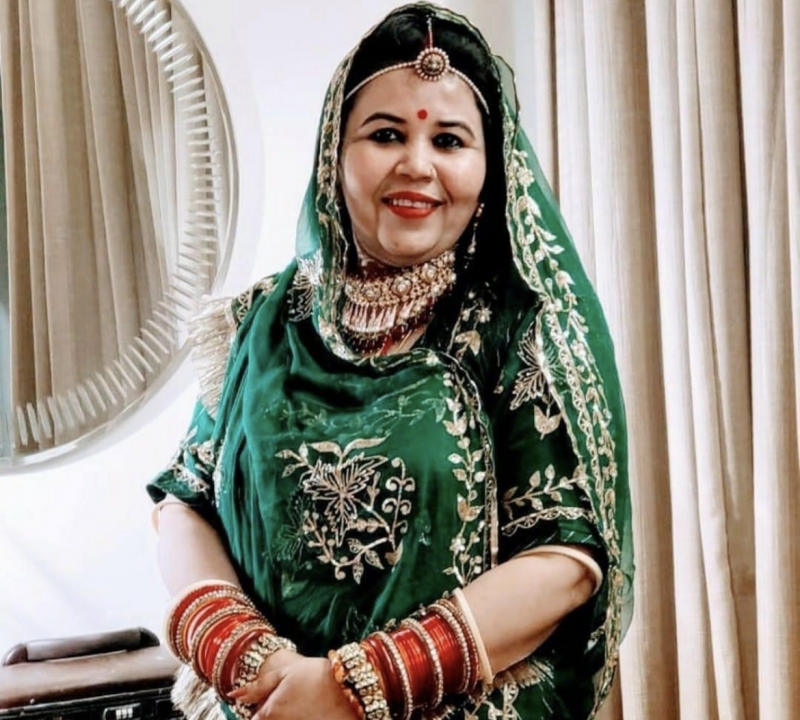
- Rajkumar Prabal Pratap Singh Judev, born . He is Vice President of BJP State youth wing and Former Vice- Chairman of Jashpur Zila Panchyat. He is married to Dr. Heena Singh Judev from Dongra Rajput family from Jammu and has issue, one daughter.
- Rajkumari Padmini Singh Judev
- Rajkumar Yudhvir Singh Judev, born . He served as Vice-Chairman of Zila Parishad Jashpur (2003), served two times as a Member of Legislative Assembly (M.L.A) from Chandrapur constituency in CG from 2008-2013,2013-2018. In 2008 he became Parliamentary Secretary (Minister of State Rank) of PWD, School Education, Tourism and Parliamentary Affairs - Govt of CG and later he served as the Chairmen (Cabinet Minister Rank) of CG State Beverages Corporation Ltd. (Govt of C.G.) He is still carrying on his father's legacy as President of Operation Ghar wapsi Abhiyan (Branch of Rashtriya Swayamsevak Sangh RSS). He is married to Rajkumari Sanyogita Singh Judev daughter of Majhle Raja Sawai Ashit Varn Singh Judeo and his wife Rani Anjana Singh of Ajaigarh State and has issue, one daughter. [Wikipedia]
- Rajkumari Udayanjana Singh Judev, born 1st of May 2013 at Satna.
- Rajkumar Shatrunjai Pratap Singh Judev, born . He was a successful businessman and also active member of RSS and BJP and served as Vice-Chairman of Jashpur Municipal Council. He was a national level shooter. He died at a very young age of 36 on 20th December 2012. He was married to Rajkumari Priyamvada Singh Judev, daughter of Maharajkumar Mayurdhwaj Narain Singh and his wife Kunwarani Shashiprabha Singh of Ramgarh Raaj (Jharkhand) and had issues, 2 sons and a daughter.
- Rajkumari Lokeshwari Devi, married Shri Gyanendra Chotray of Nariangarh, Dist, Khurda in Orissa, and has issue, three daughters.
- Rajkumari Kalpaneshwari Devi, married Maharajkumar Rajyavardhan Singh of Narsinghgarh, born , and has issue, two sons.
- Kunwar Veer Vikram Singh
- Kunwar Vishwa Pratap Singh
- Yuvrani Sushmeshwari Devi, married Yuvraj Bir Keshari Deo of Bonai, and has issue, one daughter and one son.
- Rajkumari Sarveshwari Devi, married Kumar Rajeev Ranjan Singh of Rehsa, and has issue, two sons.
- Shivraj Singh
- Jaiaditya Singh
- Yuvraj Uppendra Singh Ju Deo, married Yuvrani Mohini Devi [now Rajmata Mohini Devi of Jashpur], daughter of Thatraj Raj Raj Deb of Puri, and his wife, Thatrani Purneshwari Devi, and had issue, two sons and one daughter.
- HH Raja RANVIJAY PRATAP SINGH Ju Deo, Raja of Jashpur (see above)
Notable Figures
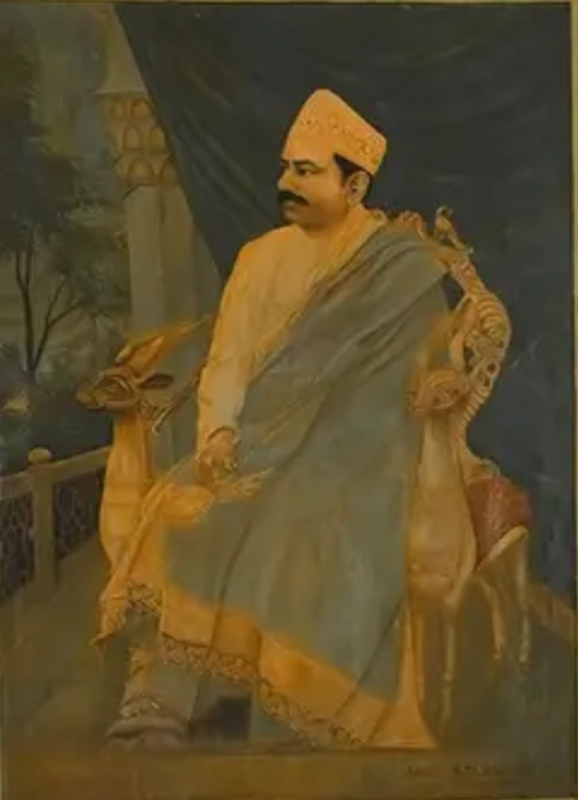
Raja Bahadur Pratap Narayan Singh Deo
Raja Bahadur Pratap Narayan Singh Deo succeeded his father, Raja Ram Singh, in 1853 and became one of the most influential and historically significant rulers of the Jashpur Princely State. Under his long reign, Jashpur witnessed substantial administrative consolidation. During the Indian Rebellion of 1857, Raja Pratap Narayan Singh Deo rendered critical assistance to the British Government in suppressing rebellions in the neighboring districts of Sambalpur and Singhbhum. In recognition of his loyalty and efficient administration, the British authorities conferred upon him the personal title of Raja Bahadur in 1889, which was later made hereditary for his successors.
His rule was marked by active efforts to develop agricultural infrastructure, manage the state's vast forest resources, and maintain law and order within the tribal-dominated territory. He established early systems of revenue and judicial administration that transformed Jashpur from a remote forest tract into an organized state. He passed away in 1900, leaving a legacy of strong ties with the British Raj and a modernized local administration. More details about his administration can be found on the Jashpur State Wikipedia Page.
Raja Vijay Bhushan Singh Deo
Raja Vijay Bhushan Singh Deo was the last official ruling chief of the Jashpur Princely State before its integration into the Union of India. He succeeded to the throne in 1924 as a minor. Due to his minority, the state was administered under a regency supervised by the British political agent. Upon attaining majority, he assumed full ruling powers and governed the state during the crucial transition period leading to India's independence. On January 1, 1948, he signed the Instrument of Accession, merging Jashpur State into the Central Provinces and Berar (which later became part of Madhya Pradesh, and subsequently Chhattisgarh).
Following the integration of the princely states, Raja Vijay Bhushan Singh Deo transitioned into democratic politics, continuing his service to the public. He was elected as a Member of Parliament (MP) to the Lok Sabha representing the Raigarh constituency, where he advocated for the welfare of tribal communities and rural development in central India. His contributions to regional education and healthcare remain highly respected. For more information, visit his dedicated Wikipedia Biography.
Kumar Dilip Singh Judeo
Kumar Dilip Singh Judeo, born on , was a prominent modern political figure from the Jashpur royal lineage and the son of Raja Vijay Bhushan Singh Deo. He was an influential leader of the Bharatiya Janata Party (BJP) and served as the Minister of State for Environment and Forests in the Union Cabinet under Prime Minister Atal Bihari Vajpayee. Judeo was widely recognized for his charismatic leadership and his active patronage of the Ghar Wapsi (reconversion) movement, aimed at bringing marginalized tribal populations back into the Hindu fold, which made him a highly popular figure in the Chhattisgarh region.
Throughout his career, he served multiple terms as a Member of Parliament in both the Rajya Sabha and the Lok Sabha representing the Bilaspur constituency. He was highly dedicated to preserving indigenous tribal cultures and opposing forced religious conversions in the forest belts of central India. His political legacy continues to heavily influence the socio-political landscape of Chhattisgarh. Detailed biographical details are available on his Wikipedia Page.
Ranvijay Singh Judeo
Ranvijay Singh Judeo, born in , is a prominent contemporary representative of the Jashpur royal family and the brother of the late Dilip Singh Judeo. Continuing the family's long-standing tradition of public service and political engagement, he became an active politician within the state of Chhattisgarh. He has worked extensively towards the development of infrastructure, healthcare, and educational facilities in the underdeveloped tribal belts of the Jashpur district.
He served as a Member of Parliament in the Rajya Sabha representing the state of Chhattisgarh from 2014 to 2020 as a member of the Bharatiya Janata Party (BJP). His parliamentary tenure was defined by his focus on rural empowerment, agricultural reforms, and the promotion of local tribal arts and heritage. To learn more about his political career and achievements, view his official Wikipedia Article.